
Modern Day Amadeus: Understanding the genius of Frank Zappa
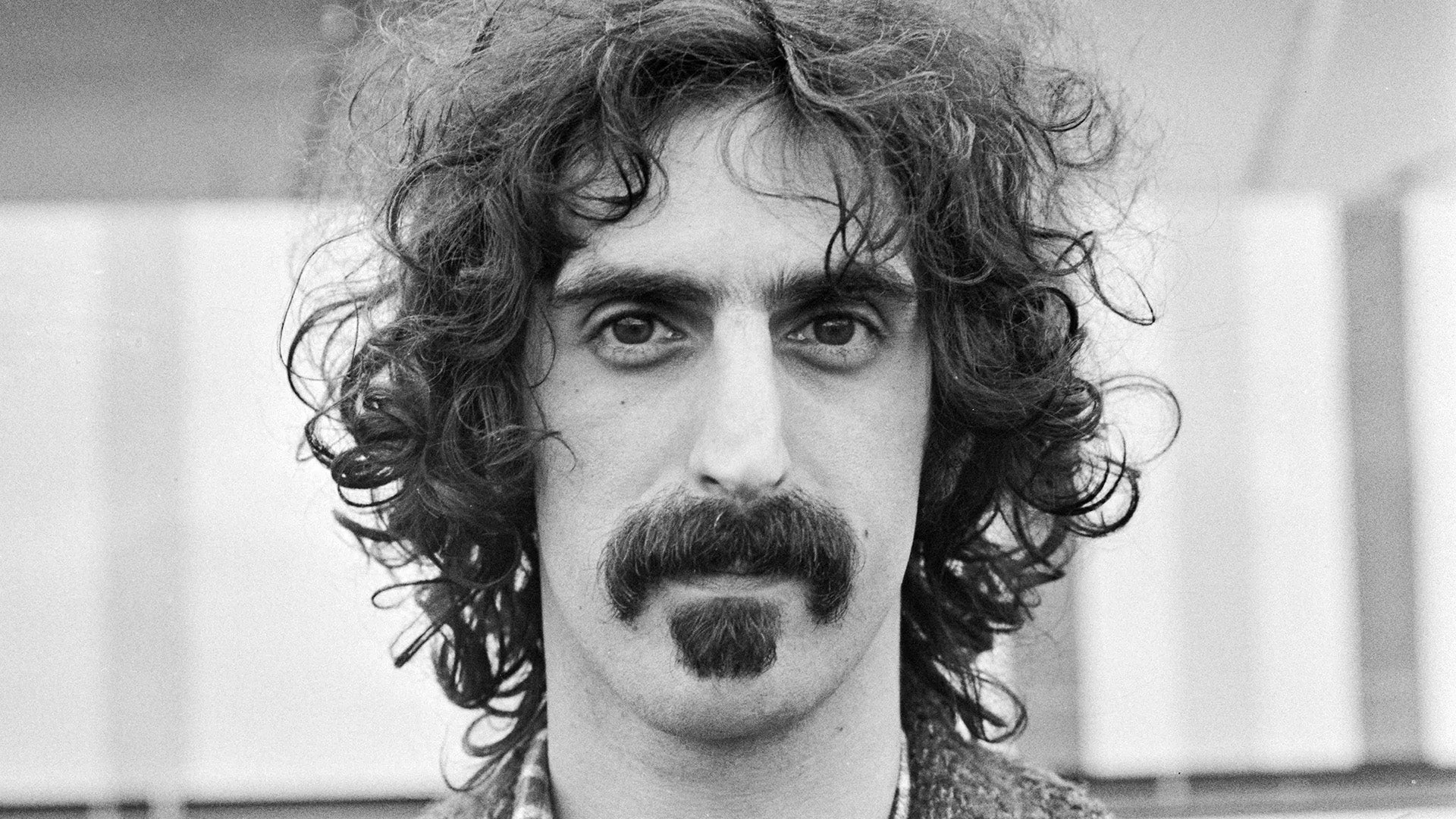
There’s something interesting about placing Frank Zappa next to Mozart. Zappa wasn’t interested in the formal polish of the classical era, but he shared Mozart’s instinct that sound could be shaped into a personal system. He moved through popular styles the way Mozart moved through court music, treating them as material to reorganise. He was also a rare proto-crossover artist, blending rock, pop, jazz, fusion, orchestral writing and musique concrète into a cohesive yet unpredictable whole.
Across over 100 albums he wrote orchestral pieces, chamber works, percussion-heavy constructions, tape experiments, doo-wop sketches and detailed studio edits. Zappa linked everything through what he called his “project/object” idea, where phrases, characters and problems keep returning in new forms. His pieces form a network that keeps folding back on itself. The orchestral writing grows from the same impulses that shaped his bands; sharp turns, cartoonish gestures, rhythmic traps, jazz-leaning voicings and tight control.
“The Black Page” shows how his density worked. Irregular groupings and rhythmic knots form its core. Later versions keep the structure placed over a groove, showing how these patterns were simply part of his language.
Xenochrony extends the logic by placing solos recorded at one tempo onto rhythm tracks from different contexts. “Rubber Shirt’’ & the Joe’s Garage solos feel like early, tape-based versions of the cut-and-realign approach that digital production would later normalise.
He built bands that could handle this level of writing. His hand signals and on-the-spot edits worked like compact conducted improvisation. Late in life he turned to the Synclavier, which let him write exactly what he imagined without worrying whether anyone could play it. The machine became an orchestra capable of executing lines beyond human limits.
This is why the Mozart comparison persists. It’s not about recasting Zappa as a classical composer. It’s about how his methods align with the great system-builders in music and how the impulse to reshape sound on his own terms links him to that tradition more strongly than any surface similarity ever could.


Comments
Mark Moser — 1 day ago
Crypto Recovery Services | Recover Your Stolen Crypto : How to Recover Stolen Cryptocurrency
I am delighted to share my experience with ALPHA RECOVERY EXPERTS which culminated successfully, their knowledge helped to the recovery of my lost Crypto money!. I invested £220,000 in Bitcoin and was helped by a broker I found online who advised me on the investing strategy. Following the investment, my profit increased by a high percentage, totaling more than £922000 at the time. When I attempted to make a withdrawal and was unable to access or withdraw my money after multiple attempts, I decided to seek help. ALPHA RECOVERY EXPERTS were able to recover my lost crypto assets after discovering that the crypto had been transferred to a digital wallet managed by the crooks.
Get in touch with Alpha Recovery Experts to find out more about crypto fraud recovery.
Email; Info@alpharecoveryexpert. c om
Learn More; Alpharecoveryexpert. com
Mark Moser — 1 day ago
Crypto Recovery Services | Recover Your Stolen Crypto : How to Recover Stolen Cryptocurrency
I am delighted to share my experience with ALPHA RECOVERY EXPERTS which culminated successfully, their knowledge helped to the recovery of my lost Crypto money!. I invested £220,000 in Bitcoin and was helped by a broker I found online who advised me on the investing strategy. Following the investment, my profit increased by a high percentage, totaling more than £922000 at the time. When I attempted to make a withdrawal and was unable to access or withdraw my money after multiple attempts, I decided to seek help. ALPHA RECOVERY EXPERTS were able to recover my lost crypto assets after discovering that the crypto had been transferred to a digital wallet managed by the crooks.
Get in touch with Alpha Recovery Experts to find out more about crypto fraud recovery.
Email; Info@alpharecoveryexpert. c om
Learn More; Alpharecoveryexpert. com
Mark Moser — 1 day ago
Crypto Recovery Services | Recover Your Stolen Crypto : How to Recover Stolen Cryptocurrency
I am delighted to share my experience with ALPHA RECOVERY EXPERTS which culminated successfully, their knowledge helped to the recovery of my lost Crypto money!. I invested £220,000 in Bitcoin and was helped by a broker I found online who advised me on the investing strategy. Following the investment, my profit increased by a high percentage, totaling more than £922000 at the time. When I attempted to make a withdrawal and was unable to access or withdraw my money after multiple attempts, I decided to seek help. ALPHA RECOVERY EXPERTS were able to recover my lost crypto assets after discovering that the crypto had been transferred to a digital wallet managed by the crooks.
Get in touch with Alpha Recovery Experts to find out more about crypto fraud recovery.
Email; Info@alpharecoveryexpert. c om
Learn More; Alpharecoveryexpert. com
Mark Moser — 1 day ago
Crypto Recovery Services | Recover Your Stolen Crypto : How to Recover Stolen Cryptocurrency
I am delighted to share my experience with ALPHA RECOVERY EXPERTS which culminated successfully, their knowledge helped to the recovery of my lost Crypto money!. I invested £220,000 in Bitcoin and was helped by a broker I found online who advised me on the investing strategy. Following the investment, my profit increased by a high percentage, totaling more than £922000 at the time. When I attempted to make a withdrawal and was unable to access or withdraw my money after multiple attempts, I decided to seek help. ALPHA RECOVERY EXPERTS were able to recover my lost crypto assets after discovering that the crypto had been transferred to a digital wallet managed by the crooks.
Get in touch with Alpha Recovery Experts to find out more about crypto fraud recovery.
Email; Info@alpharecoveryexpert. c om
Learn More; Alpharecoveryexpert. com
Joseman — 4 days ago
Relief Pills/Weed WhatsApp: +27656324620 Quick Comfort.
Xanax, Oxycodone, Ozempic Injection, Adderall, Hydrocodone, Diazepam, Valium, KSALOL, Vicodin, Oxynorm, Oxycontin, Tramadol, Rohypnol, Morphine, Ritalin, Fentanyl, Stilnox, Methadone, Subutex, Weed Seed, Vyvanse, Cocaïne, Amphétamines, Sirop de codéine, Lyrica, Tradolan.
Online, no Imprint.
Contact us on WhatsApp: +27656324620.
Farmapram/Weed for Sale | Fast Overnight Home Delivery, Next-day Delivery.
Medical Weed WhatsApp:+27656324620 Fast Pills
Cannabis & Pills WhatsApp: +27656324620 Top Weed/Pills.
Pills, Weed, Healthcare, Pain, Relief.
Michael — 4 days ago
Quality Weed WhatsApp: +27656324620 Quick Relief Pain.
Painkillers and Cannabis (Weed) available for your peace and joy, restoring maximum effective pain relief. Xanax, Oxycodone, Ozempic Injection, Adderall, Hydrocodone, Diazepam, Valium, KSALOL, Vicodin, Oxynorm, Oxycontin, Tramadol, Rohypnol, Morphine, Ritalin, Fentanyl, Stilnox, Methadone, Subutex, Weed Seed, Vyvanse, Cocaïne, Amphétamines, Sirop de codéine, Lyrica, Tradolan.
Cannabis & Pills WhatsApp: +27656324620 Painkiller Pills/Weed.
Relief Pills/Weed WhatsApp: +27656324620 Quick Comfort.
Michael — 4 days ago
Cannabis & Pills WhatsApp: +27656324620 Painkiller Pills/Weed.
Relief Pills/Weed WhatsApp: +27656324620 Quick Comfort.
Xanax, Oxycodone, Ozempic Injection, Adderall, Hydrocodone, Diazepam, Valium, KSALOL, Vicodin, Oxynorm, Oxycontin, Tramadol, Rohypnol, Morphine, Ritalin, Fentanyl, Stilnox, Methadone, Subutex, Weed Seed, Vyvanse, Cocaïne, Amphétamines, Sirop de codéine, Lyrica, Tradolan.
Online, no Imprint.
Contact us on WhatsApp: +27656324620.
Farmapram/Weed for Sale | Fast Overnight Home Delivery, Next-day Delivery.
Medical Weed WhatsApp:+27656324620 Fast Pills
Cannabis & Pills WhatsApp: +27656324620 Top Weed/Pills.
Pills, Weed, Healthcare, Pain, Relief.
Sally Kehn — 4 days ago
I want to use this medium to thank Priest Ade for saving my marriage last month my husband filed for a divorce which really affected our family our marriage of 8 years was crashing and i didn’t know what to do so i saw Priest Ade’s WhatsApp online i reached out to him he assured me 24hours my husband will come to his senses i did all he asked me to do to my greatest surprise my husband came back home apologizing thank you so much i promise he can help you too email: ancientspiritspellcast@gmail.com WhatsApp: +2347045400361Website:ancientspellcast.wordpress.com