
Aftab-e-Sitar: How Ustaad Vilayat Khan made every note sing
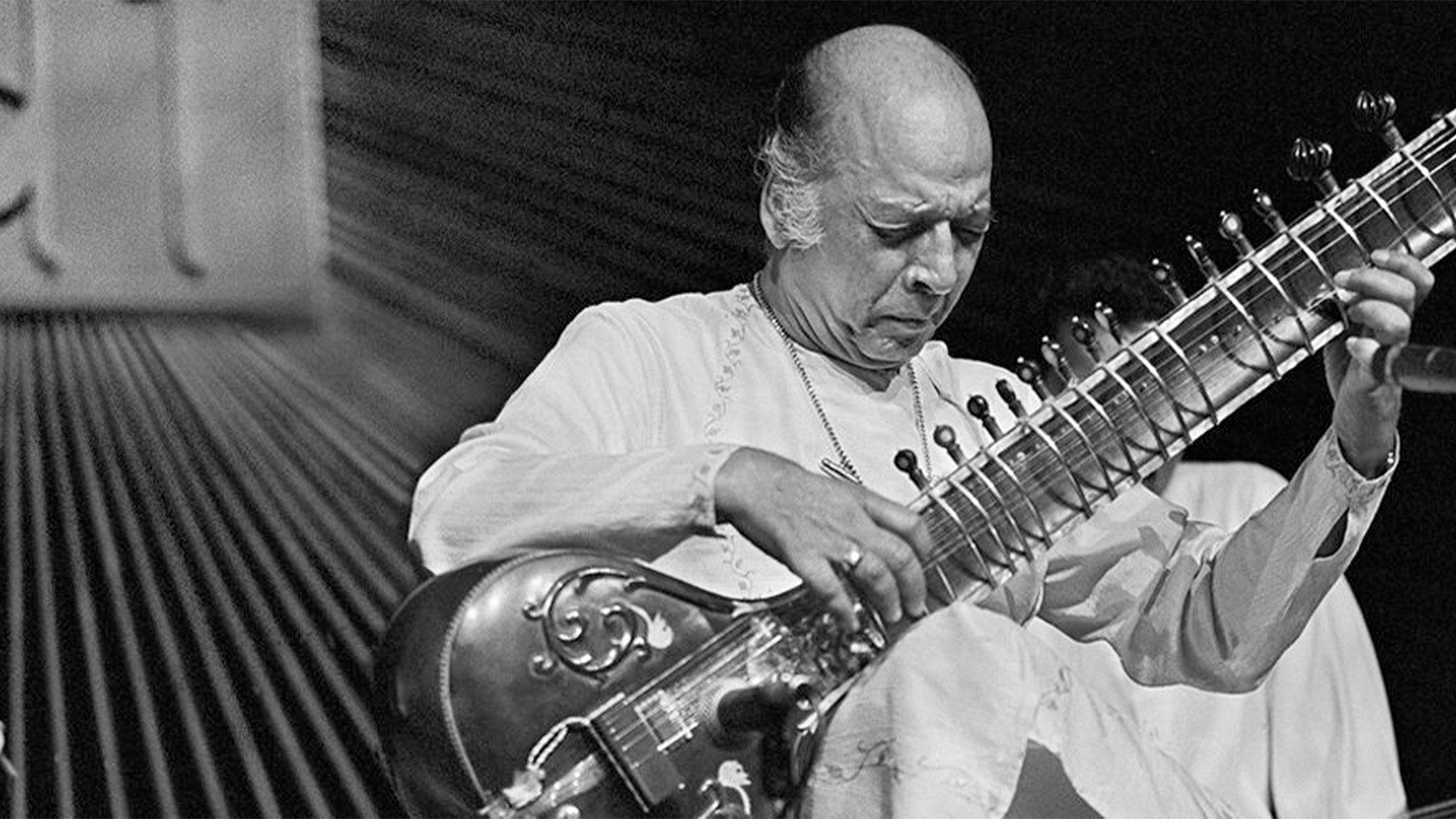
What if the sitar could sing?
For Ustad Vilayat Khan, this was not a metaphor. It was central to his practice.
Born in 1928 into the Imdadkhani, or Etawah, tradition, Vilayat came from a family of musicians. His grandfather, Ustad Imdad Khan, was a master of the sitar and surbahar; his father, Ustad Enayat Khan, was his first major teacher.
After Enayat Khan’s passing in 1938, his study grew. His uncle, Ustad Wahid Khan, taught him sitar and surbahar, while his maternal grandfather, vocalist Bande Hussain Khan, introduced him to Hindustani vocal music. This shaped his ear.
A singer could hold, bend and shape notes with ease the sitar could not match. Vilayat Khan sought to close that gap.
This became the base of his gayaki ang, a vocal-led way of playing sitar. From khayal and thumri, he drew phrasing, pauses, taans and ornament. The idea had roots in Etawah, but Vilayat made it his own.
His left-hand meend let him move across notes from one pluck, while his right hand shaped attack. His aim: to give the sitar a voice.
The surbahar was key to this legacy. Its deep tone and long lines shaped his sense of space and melody. He carried much of that feel into his sitar work.
He changed the instrument to serve this style.
Working with makers including Kanai Lal Das, Hiren Roy and Bhishan Das Rikhi Ram, he altered the bridge, strings, frets and body. These changes gave him more sustain and room for wide meends.
His path differed from the other stalwart, Ravi Shankar, who took the sitar to global stages and built a distinct concert style. Vilayat stayed focused on the solo sitar and its expressive range.
He declined the Padma Shri in 1964, the Padma Bhushan in 1968 and the Padma Vibhushan in 2000, objecting to what he saw as the state’s unfair ranking of musicians. For Vilayat, art came before honours.
His statement was his music.
Listen to Ustad Vilayat Khan and the notes seem to stretch past the instrument. They bend, linger and move like a voice.
He changed what listeners believed the sitar could say.


Comments